
Two simultaneous retrospectives, one recent and one distant, are forming a slightly odd connection in 2026. What is it trying to tell me?
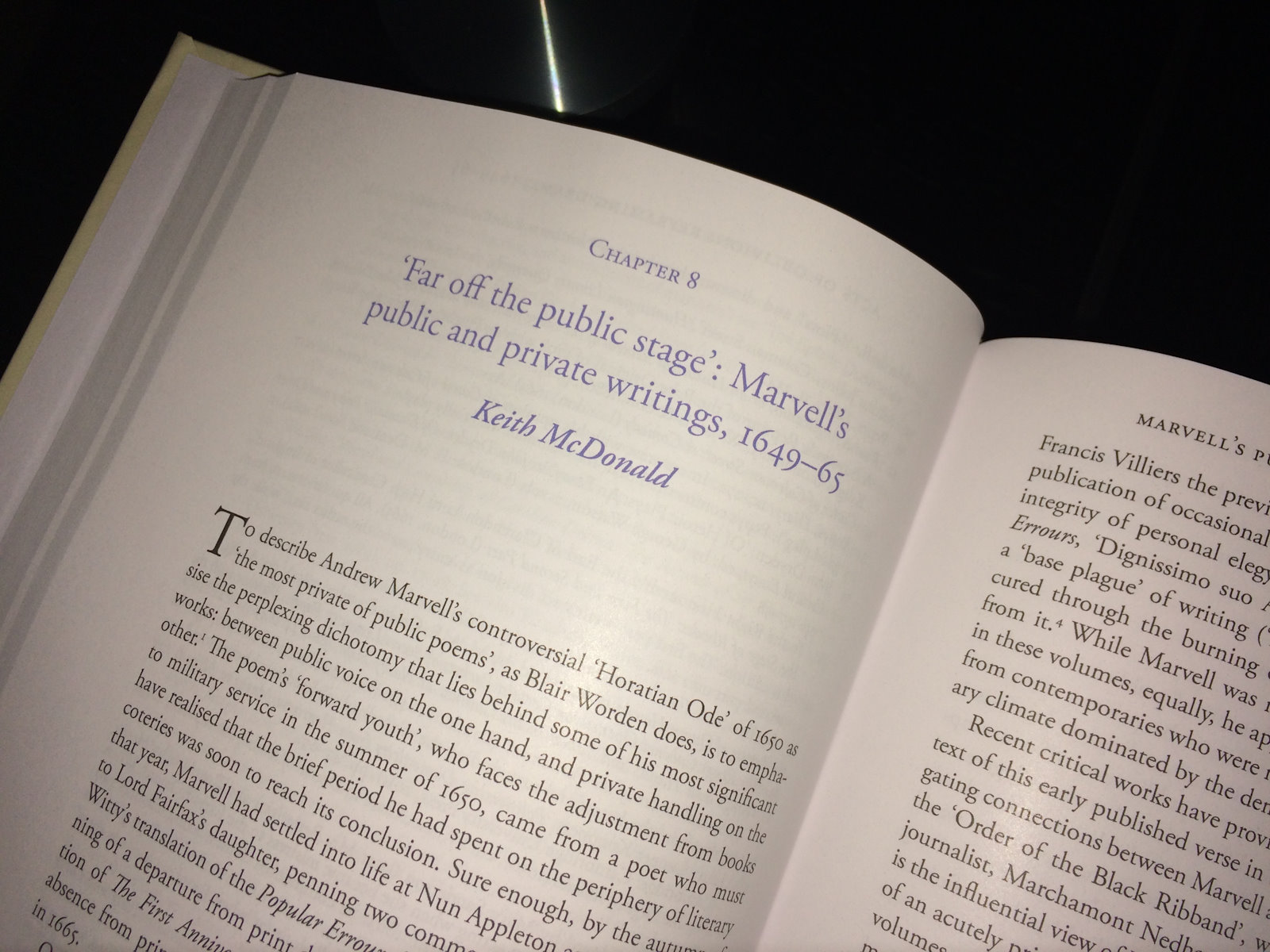
It’s almost thirteen years since I submitted my doctoral thesis. Obviously, much has happened since, and I publish here far less frequently, but that old itch has never quite gone away.
Every few years, I re-read my dissertation, for a couple of reasons. Partly, it’s because I never want to forget what I worked on for so long. Partly, it’s because I think it helps me appreciate where I was then and where I am now. But mostly, as odd as it might seem, it’s because I still enjoy it.
Many seem to get embarrassed by their doctoral submissions, either because they develop as researchers and come to dismiss their initial efforts as primitive, or because their main objective was getting over the line in three years rather than producing their most polished work.
I took an extra writing up year that, looking back, I probably didn’t need. But I was convinced at the time – and still am – that I hadn’t come so far only to submit any less than the very best I could achieve. And when I do read it back, as I did last month, I can still barely believe I wrote something of that calibre.
(As someone whose job involves editing text to be shorter and simpler, it feels surreal to be reminded of when I wrote in weightier sentences and long paragraphs.)
However, it’s always nagged me that I never attempted to publish my dissertation as a monograph.
I attribute that to two related issues. One was confidence. I didn’t take many vibes of encouragement from either my supervisor or my examiners that it was publishable. (That doesn’t mean to say there weren’t any, but I certainly tuned them out if they were there.)
Then, the last essay I contributed to an edited collection provoked a slightly punishing response in the afterword to the volume. Not even in a review, but when I’m figuratively in the room. So, the signs weren’t universally positive.
Coupled with that was necessity. Academic publishing is tough and arduous, particularly at the start when you are an unknown quantity. It can involve a lot of work with no guarantees of acceptance or success. Why put yourself through that if it’s not integral to your career?
Well, the career part becomes interesting because I’m currently deep in appraisal (or annual review) season. And reviewing my last year’s performance has taken a couple of twists.
Since I changed jobs in July, the goals I set this time last year are largely irrelevant. It’s taken some hard retrofitting and a bit of creative licence to avoid a series of ‘zeros’ against those goals that certainly don’t reflect my efforts.
Equally, the more influential you aim to be, the harder the hits it can bring. The opening months of 2026 were so tumultuous, I did start worrying for my job. A formal complaint. Being too brusque with a colleague. It’s been the most eventful opening 12 months of a role I can remember.
I could hardly ignore this or pretend that none of it happened. So, I thought I’d be less circumspect and more direct in my submission. There are things I should admit about myself. Some I should apologise for; others I should not.
I do have an ego, and I like big responsibilities. I back myself to make the right calls and am prepared to make decisions that may not be popular. I get shit done, and it’s almost always better than what it replaces.
No surprises, then, I am quite intense (unlike my predecessor, I suspect, which may have been a bit of a culture shock to a small team). I do have to watch that I don’t cross the line, but that’s how I work at my best.

It may not seem an obvious conclusion, for this rather revealing submission, but it turned out to be:
I’m in a good place.
And I am. I’m very fortunate to be in the position I’m in. There is no losing sight of that. The challenge is how to feed the ambition machine with something quite substantial.
I’d thought about a part-time MBA, maybe something digitally oriented. Only, even the budget versions are at least two years in length and a sizeable dent into savings.
You’re sort of repeating the same question as before – why go through that if it’s not integral to your career?
But I think it puts a different spin on the previous occasion of asking it. Perhaps it is time to explore the monograph option. A part-vanity project, that would occupy roughly the same amount of time, scratch a longstanding itch, and cost a tiny fraction of what an MBA would. Suddenly, there’s sense to it all.
So, who knows? There might just be time for a restart.
Related posts
Running out of lives
Last month, I launched perhaps my most significant professional achievement – a new website that will cater for hundreds of thousands of students. Two weeks later, I feared it might cost me my job.

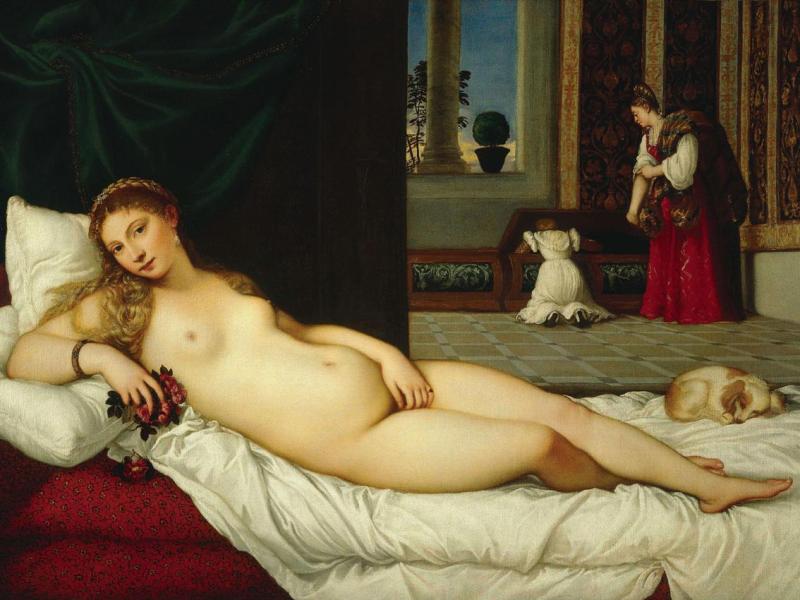
A Brush with Ekphrasis: Marvell’s ‘The Gallery’
My recent work on Marvell and ekphrasis explores several ways in which the poet negotiates the transition between text and visual object to advance his personal and political poetics. Here, I consider how we might view ‘The Gallery’ in light of recent ekphrastic debates.
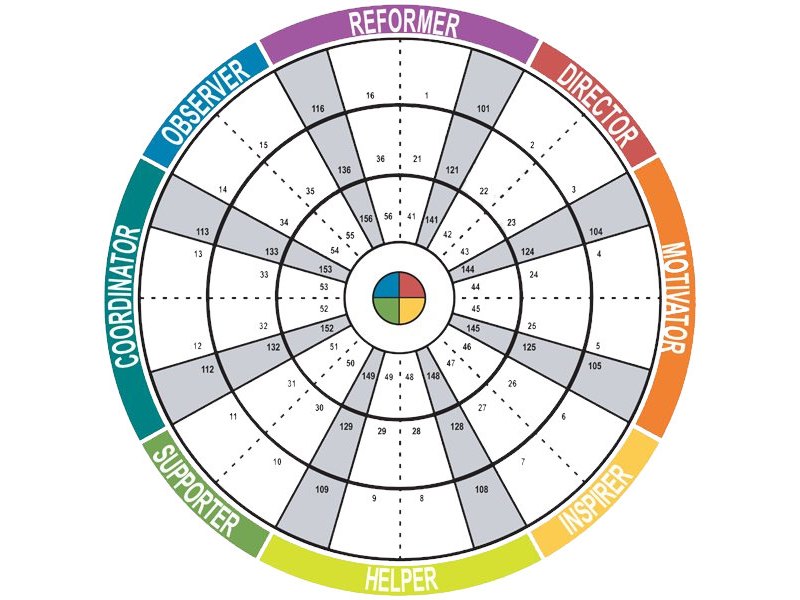
From Green to Blue: how my personality changed
A recent personality test for work has made me think hard about what I’ve become and how much I’ve changed in the past decade. (Spoiler – quite a lot!)

